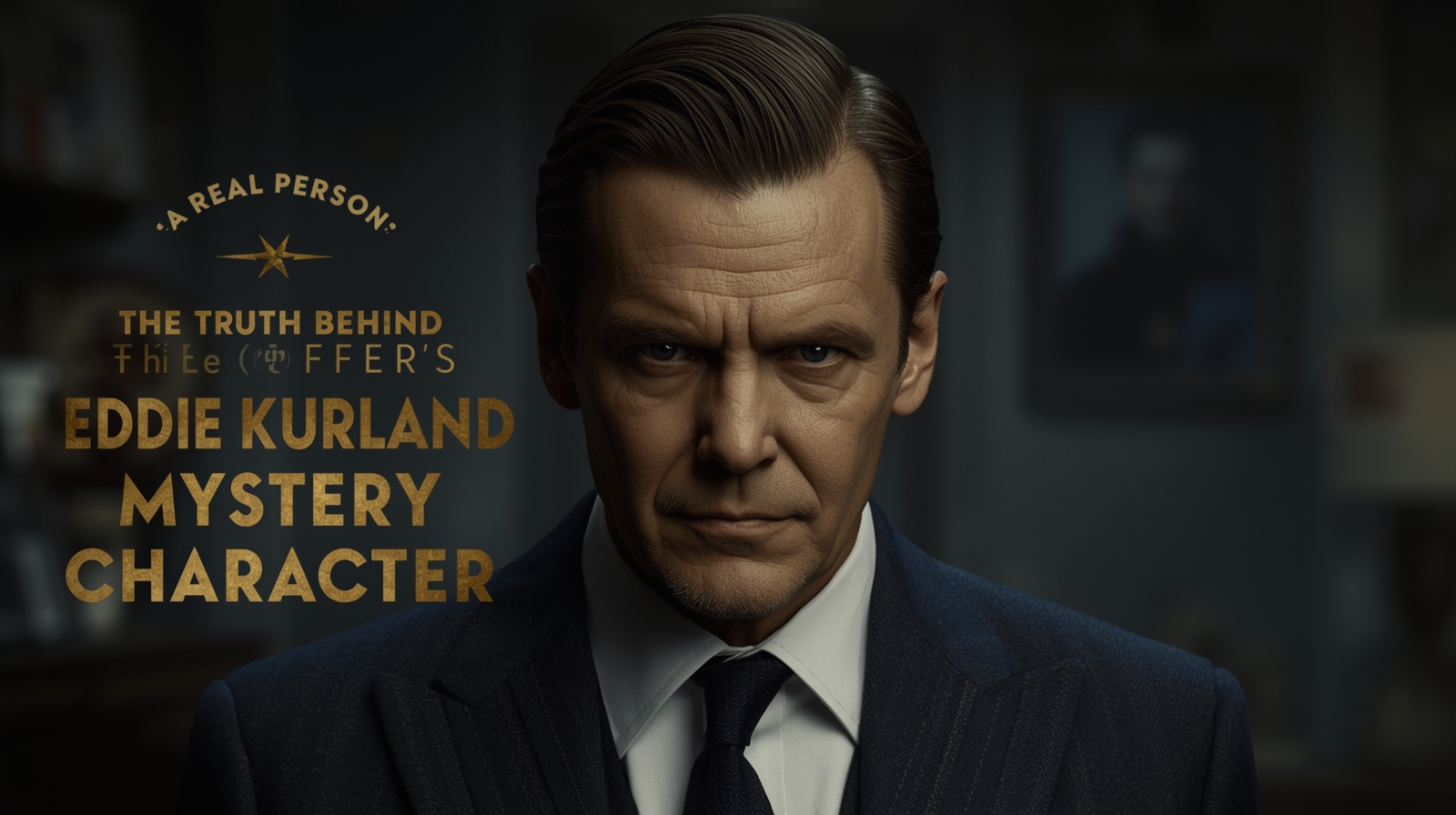
When The Offer premiered on Paramount+, audiences got pulled into the chaotic, fascinating world of how The Godfather actually got made. Among the power players, studio executives, and mafia connections, one character stood out to viewers: Eddie Kurland, the eager young producer trying to make his mark in Hollywood. But here’s the thing that’s been bugging fans since the show aired—did Eddie Kurland actually exist, or is he just another Hollywood invention?
The short answer? Eddie Kurland is entirely fictional. There’s no record of him anywhere in the actual production credits of The Godfather, no interviews with him, no memoirs mentioning his name. He’s a creation of the show’s writers, designed to serve specific narrative purposes that we’ll dig into. But understanding why he feels so convincingly real tells us alot about how biographical dramas work their magic on us.
Who Eddie Kurland Is in The Offer
In the series, Eddie Kurland appears as an ambitious aspiring producer who essentially worships Al Ruddy, the real producer who fought tooth and nail to get The Godfather made. Kurland’s character embodies that hungry newcomer energy—someone desperate to learn the ropes, willing to do whatever it takes, and naive enough to still believe in the dream of Hollywood before the industry’s cynicism sets in.
The way the show positions him is clever. He’s not just there for comic relief or as a sidekick. Kurland functions as our eyes into this world, asking questions that we might ask, reacting to the absurdity and brilliance of what’s happening around him. His interactions with actual Hollywood legends like Robert Evans and Francis Ford Coppola feel seamless, which is precisely why so many viewers assumed he must’ve been real.
The Historical Record (Or Lack Thereof)
When you start digging into the real-life production of The Godfather, the absence of Eddie Kurland becomes pretty obvious. Film historians have documented this production exhaustively—it’s one of the most analyzed movies in cinema history. We’ve got interviews with virtually everyone involved, from the stars to the grips. Production credits are meticulously preserved. Behind-the-scenes accounts from people like Al Ruddy himself have been published in multiple books and documented interviews over the decades.
Eddie Kurland appears in none of it. Not a single mention. Not one photograph. No “and then Eddie suggested” moment in any memoir. For someone supposedly so close to the action, that’s a deafening silence.
This isn’t unusual territory for biographical drama, though. Shows and films based on real events regularly introduce composite characters or entirely fictional figures to smooth out the storytelling. It’s just that The Offer does it so convincingly that the line between dramatization and reality gets wonderfully blurred.
Why Fictional Characters Get Added to True Stories
Here’s where it gets interesting from a storytelling technique perspective. Real life is messy. Events don’t unfold in neat three-act structures, and the people involved don’t always say or do things that translate well to screen drama. Sometimes the mentor-student relationship that would illuminate a story just didn’t exist in the actual events.
Eddie Kurland solves several narrative problems at once. First, he gives Al Ruddy someone to explain things to, which means the audience learns about the film industry without awkward exposition dumps. Second, he represents the next generation of filmmakers in a way that makes the story feel relevant beyond just nostalgia for 1970s cinema. Third, his character arc—from wide-eyed novice to someone who understands how the sausage gets made—mirrors the audience’s own journey through the series.
The writers essentially created a narrative device that could move through different spaces and observe different parts of the production without straining credibility too much. Real-life figures were often too important or too busy to be everywhere the story needed someone to be.
How The Show Makes Him Feel Real
Part of what trips people up is just how good the production is at blending fiction with historical accuracy. The Offer gets so many real details right—actual quotes, documented conflicts, real timeline events—that when Eddie Kurland appears alongside these verified moments, our brains just sort of accept him as part of the package.
The costume design puts him in period-accurate clothing. The dialogue sounds authentic to the era. His reactions to major events feel plausible. And most importantly, the show never winks at the camera to signal “this character isn’t real.” He’s treated with the same dramatic weight as actual historical figures, which is smart filmmaking but also why confusion persists.
It’s worth noting that experienced researchers would catch this immediately. Anyone cross-checking names against official sources or production records would see the gap. But casual viewers—which is most of us, lets be honest—aren’t doing that kind of detective work while watching a streaming series.
The Broader Pattern in Historical Drama
This creative liberty isn’t unique to The Offer. HBO’s Chernobyl had composite characters. The Crown regularly compresses multiple real people into single characters. Narcos invented storylines wholesale while maintaining a core of truth. It’s become standard practice in the genre, and for good reason—pure documentary doesn’t always make for compelling television.
The key is that these shows maintain what we might call “emotional truth” even when they fudge factual details. The essence of what happened during The Godfather‘s production—the studio interference, the mafia concerns, the artistic battles—all of that’s real. Eddie Kurland just provides a convenient lens through which to view it all.
What This Means for Viewers
Should we feel deceived? Not really. Biographical drama has always operated in this space between documentation and entertainment. The problem arises when viewers can’t distinguish between the two, which is increasingly common in our current media landscape where “based on a true story” can mean almost anything.
If you’re watching The Offer or any similar show, it’s worth doing a quick Google search on characters who seem important but unfamiliar. That simple verification step can help you separate the Hollywood invention from the actual history. Eddie Kurland’s absence from any real Hollywood records confirms his fictional status pretty definitively.
The character still serves his purpose beautifully within the show’s narrative structure. He adds depth, provides a relatable point of entry for audiences, and helps illuminate the chaotic brilliance of how one of cinema’s greatest films came to exist. Sometimes fiction serves truth better than facts alone could manage.
The Verdict
Eddie Kurland is not a real person, never was, and never claimed to be outside the fictional world of The Offer. He’s a storytelling technique employed by the show’s creators to make the behind-the-scenes story of The Godfather more accessible and dramatically satisfying. While some viewers initially believed he was an actual historical figure due to the show’s convincing presentation, the complete absence of any documented evidence confirms his fictional nature.
Understanding this distinction doesn’t diminish the show’s value—it just helps us appreciate both the real history and the creative liberties taken to bring that history to life on screen. Next time you’re watching a biographical drama, keep Eddie Kurland in mind as a reminder that even the most convincing characters might be Hollywood’s invention rather than history’s reality.Retry