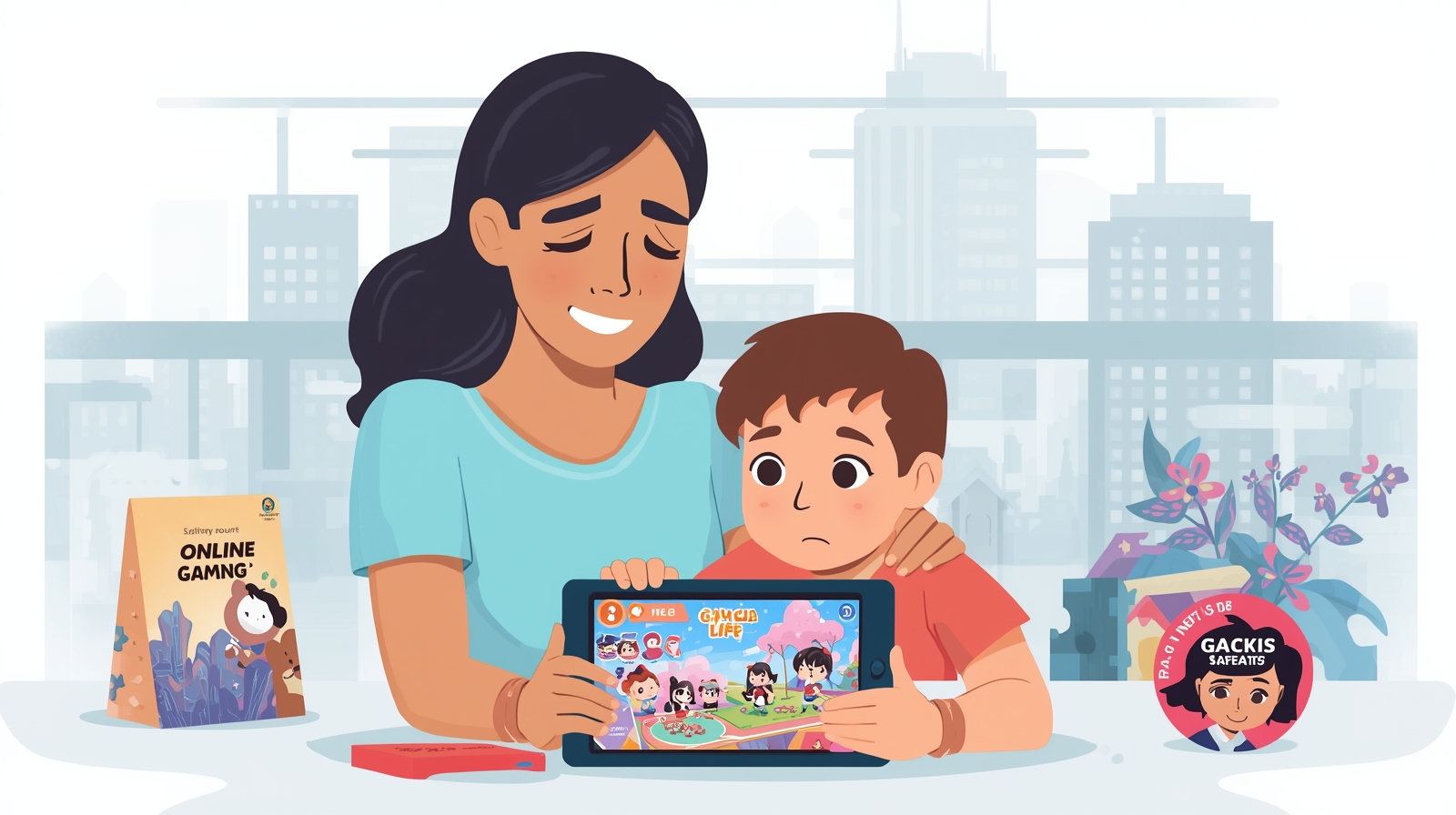
If you’ve got a kid who’s glued to their phone creating anime characters and building virtual stories, chances are they’re deep into Gacha Life. This mobile game has absolutely exploded among younger audiences, and while it offers genuinely creative outlets for self-expression, there’s alot more parents need to understand before giving it the green light.
Gacha Life isn’t just another mobile video game your child downloads on a whim. It’s become a cultural phenomenon among children and young people, with millions of users worldwide crafting elaborate stories, designing intricate character outfits and accessories, and sharing their creations across social media platforms. But beneath the colorful anime-style characters and seemingly innocent gameplay lies a complex ecosystem that requires active parental supervision.
Understanding What Gacha Life Actually Is
At it’s core, Gacha Life functions as a character creation and storytelling platform wrapped in anime aesthetics. Kids can spend hours tweaking every detail of their characters—from hairstyles and eye colors to elaborate outfits that would make professional costume designers jealous. The game’s Studio Mode lets users position multiple characters in scenes, add dialogue bubbles, and essentially create their own comic strips or story sequences.
The term “Gacha” originates from Japanese capsule toy vending machines, where you insert coins and receive a random prize. This same mechanic drives part of the game’s appeal, as players collect new items and characters through a randomized system. That element of surprise keeps younger users coming back, always hoping for that rare outfit or special accessory they’ve been wanting.
What makes Gacha Life particularly engaging is how it combines multiple entertainment forms into one package. It’s part dress-up game, part storytelling engine, and part social platform. Kids aren’t just playing—they’re creating, which taps into that fundamental human desire to build and share something uniquely theirs.
The Age Rating Situation and What It Really Means
Here’s where things get interesting. The Apple App Store rates Gacha Life as suitable for ages 9 and up, while Google Play slaps an “Everyone” rating on it. On paper, this suggests the game is pretty harmless for a wide range of age groups. But those ratings don’t tell the whole story, and parents who rely solely on these designations might be in for some surprises.
Age ratings typically evaluate the game’s core content—the actual mechanics and built-in features developed by the creators. They don’t account for user-generated content, which is where most of the concerning material originates. A game can have a squeaky-clean official version while simultaneously hosting a community that produces wildly inappropriate content. It’s like rating a bulletin board based on the quality of the cork without considering what people might pin to it.
The challenge with mobile devices and PC gaming is that content evolves faster than rating systems can keep up. What was appropriate last month might include problematic trends this week, all without the official game changing at all.
In-App Purchases and The Hidden Costs of “Free” Games
Gacha Life follows the free-to-play model that’s become standard in mobile gaming, but “free” is a relative term when in-app purchases are involved. While downloading costs nothing, the game constantly presents opportunities to buy gems, special character outfits and accessories, and exclusive items. For kids who don’t fully grasp the concept of real money in digital spaces, these microtransactions can add up shockingly fast.
I’ve heard stories from parents who discovered hundreds of dollars charged to their accounts because their child didn’t realize each “small” purchase was actually deducting real money. The psychological design of these systems is sophisticated—they’re specifically engineered to make spending feel consequence-free and rewarding.
In-game ads present another revenue stream and another concern. These advertisements pop up during gameplay, sometimes promoting other apps or products that may not be age-appropriate. The content of these ads isn’t always vetted as carefully as the game itself, meaning your child could encounter mature themes or be directed toward apps with problematic content. Ad networks cast wide nets, and what shows up can vary wildly based on algorithms that don’t necessarily prioritize child safety.
Parents should absolutely enable purchase restrictions through parental controls on both iPhone and Android devices. Most modern operating systems include robust family sharing and screen time management features that let you approve purchases before they go through, set spending limits, and monitor what apps your kids are using and when.
The Chat Feature and Stranger Danger in Digital Spaces
This is where Gacha Life moves from “needs monitoring” to “requires active supervision.” The game includes chat features and social interaction capabilities that allow users to communicate with other players worldwide. For many kids, this social element is half the appeal—they can share their creations, collaborate on stories, and make friends who share their interests.
However, online safety concerns around these features are legitimate and documented. There have been multiple reported cases of adults using Gacha Life’s communication tools to contact minors inappropriately, requesting inappropriate images or engaging in conversations with sexual themes. The anonymity of online spaces emboldens predators who specifically target platforms popular with children and young people.
Teaching critical thinking skills around online interactions isn’t optional anymore—it’s essential digital literacy. Kids need to understand that people online aren’t always who they claim to be, that requests for personal information or images should trigger immediate alarm bells, and that talking to strangers in game chat carries real risks. These conversations feel awkward, but they’re considerably less uncomfortable than dealing with the aftermath of an exploitation situation.
The game does include reporting mechanisms for inappropriate behavior, and parents should walk through how these work with their kids. Make sure younger users know they won’t get in trouble for reporting something concerning, even if they initially engaged with problematic content out of curiosity or confusion.
Privacy Concerns and Data Protection Issues
Gacha Life collects various forms of personal data, including email addresses for account creation and promotional communications. The game’s privacy policy outlines what information they gather and how it’s used, but let’s be honest—how many users actually read those policies before clicking “agree”?
Teaching kids about password security, screen name selection, and email address privacy is crucial groundwork for safe gaming practices. Your child’s email address can become a gateway to other accounts and personal information if it falls into the wrong hands. Similarly, screen names that reveal real names, locations, or ages provide predators with targeting information.
Family discussions about data protection shouldn’t be one-time lectures but ongoing conversations as new situations arise. When your child wants to share their Gacha Life username on social media or connect their game account to other platforms, those become teachable moments about weighing convenience against privacy risks.
Content Creation and The Social Media Connection
One of Gacha Life’s most popular features is how easily users can export their created scenes and stories to share on TikTok, YouTube, and other social media platforms. This has spawned entire communities of young content creators who produce Gacha Life videos, some of which rack up millions of views.
The problem is that not all user-generated content maintains appropriate boundaries. Some creators produce stories featuring violence, sexual themes, age-inappropriate relationships, and other mature content using these cute anime-style characters. The visual style can make concerning content seem less serious than it is—a phenomenon that makes it harder for kids to recognize problematic material when they see it.
YouTube and TikTok algorithms don’t always catch this content before it reaches young audiences. A child searching for innocent Gacha Life videos might stumble onto material depicting abusive relationships, explicit scenarios, or violence that’s completely inappropriate for their age. The colorful, cartoon-like presentation can disguise genuinely disturbing narratives.
Parents should actively monitor what their kids are watching and creating. Check their viewing history, watch videos together occasionally, and keep lines of communication open about what they’re consuming online. If your child is creating content, review it before they post and discuss why certain themes or storylines might not be suitable for public sharing or younger audiences.
Setting Up Effective Parental Controls
Modern devices offer increasingly sophisticated tools for parental supervision, but they only work if you actually configure and use them. Both iPhone and Android systems include comprehensive parental controls that extend beyond just Gacha Life to manage overall device usage.
Screen Time features on iOS let you set daily limits for specific apps, schedule downtime when only approved apps work, and restrict certain types of content. You can block in-app purchases entirely or require approval for each transaction. Content and Privacy Restrictions allow you to filter websites, prevent explicit content, and restrict social media access based on age.
Android’s Family Link provides similar functionality with the added benefit of location tracking. You can see where your child’s device is, remotely lock it if needed, and receive activity reports showing how they’re spending their time online. These aren’t tools for invading privacy but for maintaining appropriate oversight while kids develop responsible digital habits.
The key is finding balance between protection and autonomy. Over-restrictive approaches often backfire, leading kids to find workarounds or simply become less honest about their online activities. The goal should be creating an environment where kids feel comfortable coming to you with questions or concerns rather than hiding their behavior.
Teaching Critical Thinking and Digital Literacy
Beyond technical controls, developing critical thinking skills represents your best long-term strategy for online safety. Kids who can independently evaluate whether a situation seems safe or a request seems appropriate are far better protected than those who rely solely on parental controls that can be circumvented.
Role-playing potential scenarios helps prepare younger users for actual situations they might encounter. “What would you do if someone in the game chat asked for your real name?” “How would you respond if another player wanted to meet up in person?” “What should you do if you see content that makes you uncomfortable?” Walking through these questions beforehand gives kids mental scripts to follow when faced with real decisions.
Emphasize that they won’t face punishment for making mistakes or encountering inappropriate content accidentally. The biggest barrier to kids reporting problems is fear that they’ll lose device privileges or get blamed for situations that weren’t their fault. Creating judgment-free channels for communication ensures they’ll come to you when something goes wrong rather than trying to handle it alone.
Why Gacha Life Remains Popular Despite Concerns
Understanding the appeal helps parents approach the situation more effectively than simply banning the game outright. Gacha Life offers genuine creative outlets that many kids find deeply satisfying. The character customization is legitimately impressive, allowing for artistic expression in ways that resonate with young people who love anime aesthetics and storytelling.
The roleplaying elements tap into the same imaginative play that’s always been part of childhood—it’s just moved into digital spaces. Kids have been creating characters and stories forever; Gacha Life simply provides new tools for that timeless activity. The social aspects, while risky, also fulfill real needs for connection and community, especially for kids who might feel isolated in their offline lives.
Rather than positioning yourself as the enemy of fun, acknowledge what makes the game valuable while setting boundaries around the problematic aspects. “I can see why you enjoy creating these characters, and I think that’s really creative. Let’s talk about how to do that safely” lands much better than “This game is dangerous and you can’t play it.”
Moving Forward With Informed Decisions
Gacha Life isn’t inherently evil, but it’s not inherently safe either. Like most online platforms frequented by children and young people, it exists in a grey area where tremendous creative potential coexists with legitimate safety risks. The determining factor in whether it becomes a positive or negative experience is how informed and involved parents choose to be.
Regular check-ins about what your kid is doing in the game, who they’re talking to, and what content they’re consuming should become routine. Not interrogations, but genuine conversations showing interest in their digital lives. Most kids actually want to share their creations and stories with parents who show authentic curiosity rather than suspicion.
Stay current on emerging risks as the platform evolves. Online communities change rapidly, and today’s understanding might not fully apply six months from now. Parent forums, tech safety newsletters, and conversations with other parents can help you stay informed about new concerns as they develop.
Ultimately, helping your child navigate Gacha Life safely teaches broader lessons about digital citizenship that’ll serve them throughout their lives. The specific platform matters less than the critical thinking, privacy awareness, and safety practices they develop. Those skills transfer to every online space they’ll encounter, making the investment in education and supervision worthwhile far beyond this single game.